The List-Building Era You Knew Is Over
Ask any marketing or BD professional what their least favorite task is, and building a list ranks near the top. Not because it's intellectually difficult, but because the systems were never designed to make it easy.
Contact data lived in too many places. The CRM had some records. The email marketing platform had others. A handful of Excel files floating in someone's inbox had the rest. Getting to a clean, targeted, campaign-ready list meant stitching all of that together by hand. Even then, you never fully trusted the result.
That era is over. Here's why.
The Top Four Reasons Why List Building Used to Break Down
1. Data Was Everywhere and Nowhere
For most marketing and BD teams, a single, consolidated view of contacts has been difficult to come by. Records tend to live across CRM systems, email marketing platforms, spreadsheets, and shared drives, each capturing a piece of the picture, but never the whole thing. Building a list often meant pulling from multiple sources, reconciling differences, and doing your best to fill in the gaps. It got the job done, but it was rarely a smooth process.
2. Manual Data Entry Only Goes So Far
Keeping contact records complete and up to date requires consistent manual effort, and that's a big ask for busy teams. Key relationships sometimes went undocumented, and contacts would end up in the system without full context: no title, no industry, no clear connection to the firm. These weren't necessarily oversights; they were simply the natural limits of a manual process at scale.
3. Keeping Up With Change Is Hard
People change jobs, earn promotions, and move between companies, and it's genuinely challenging to keep pace with all of it. Even well-maintained lists can quietly drift out of date, which means outreach occasionally reaches the wrong role or a contact who has since moved on. It's one of the more stubborn realities of working with contact data.
4. List Building Was Never the Main Event for These Platforms
CRM platforms were designed primarily around sales pipelines and opportunity management, and they do that job well. But highly segmented list building for marketing and BD teams was never really their core focus. As a result, the tools available for this specific task have historically been more limited, and teams have had to work around constraints when it came to segmentation, data structure, and interface design.
What Building Lists Looks Like Now
Modern ERM addresses these challenges in a meaningful way, not by adding more manual steps, but by rethinking how contact data is collected, maintained, and used. Here's what becomes possible when the technology is purpose-built for this work.
🔗 All Your Data Sources, Unified in One Place
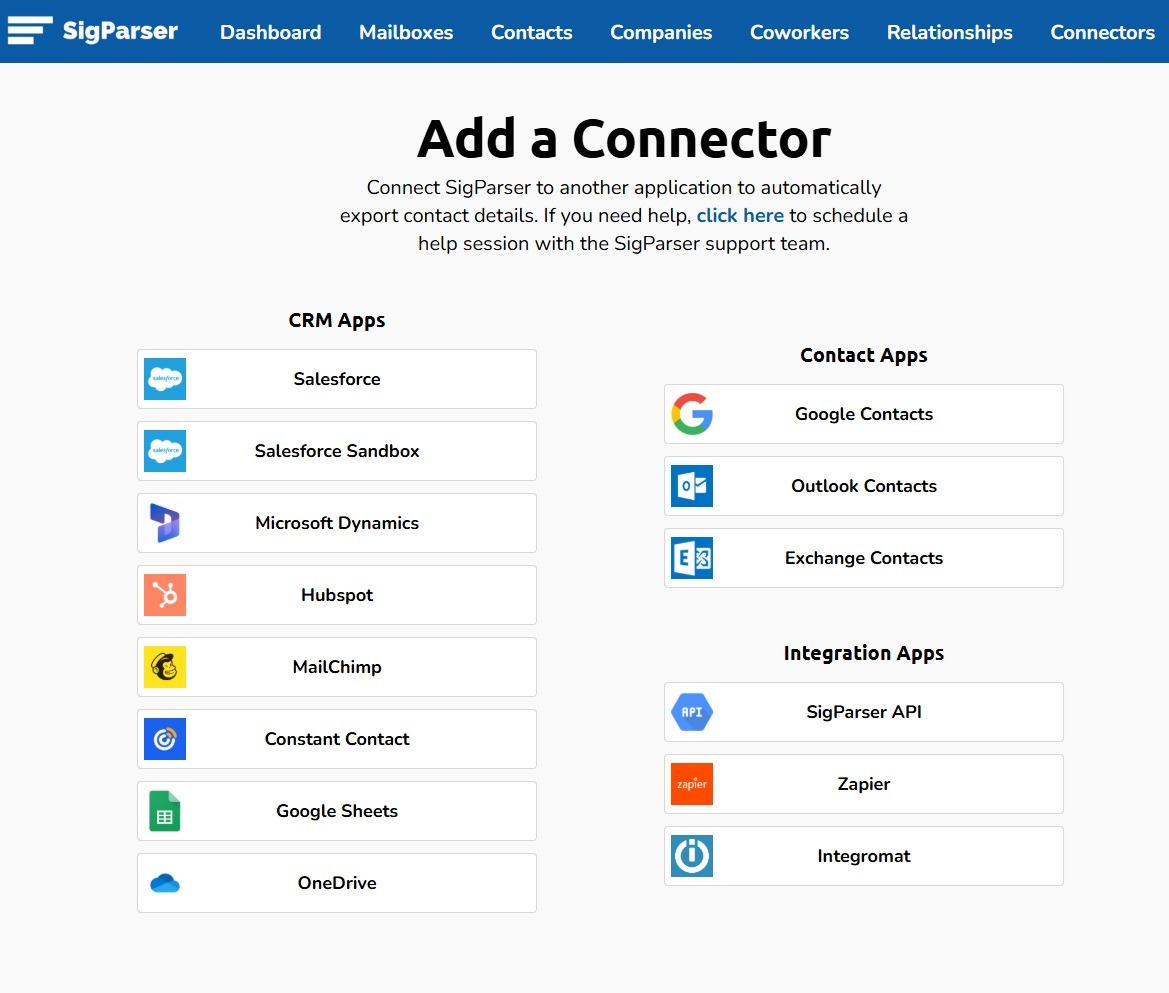
ERM connects to your existing systems: your CRM, email marketing platforms, spreadsheets, email history, calendar activity, and more, and brings everything together automatically into a single, consolidated view. Rather than assembling pieces from multiple sources, you start from a unified dataset that reflects your firm's full relationship history.
💡 AI Helps Keep Your Data Clean and Organized
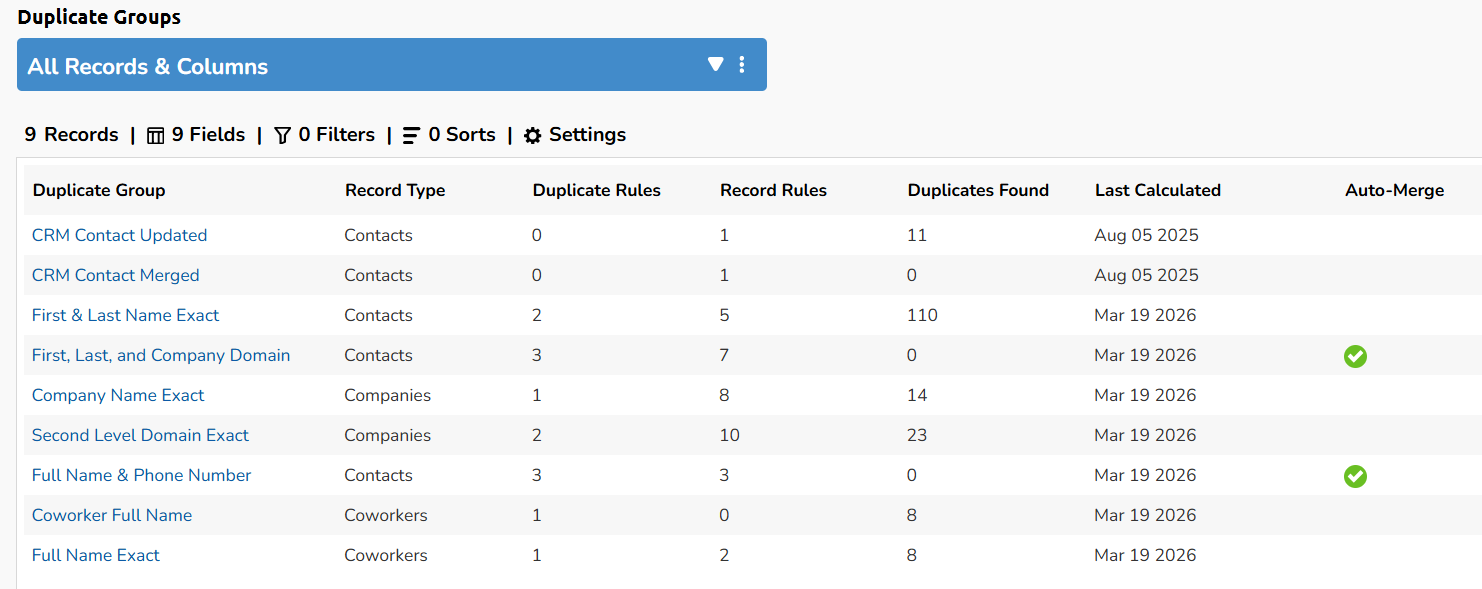
Once your data is consolidated, AI helps maintain its quality on an ongoing basis. Duplicate contacts are identified and merged. Outdated records are flagged for review. And contacts are automatically classified across the dimensions that matter most: client vs. prospect, industry, job level, department, without requiring manual tagging. The result is a well-organized dataset that's ready to use when you need it.
🔄 Data That Stays Current Over Time
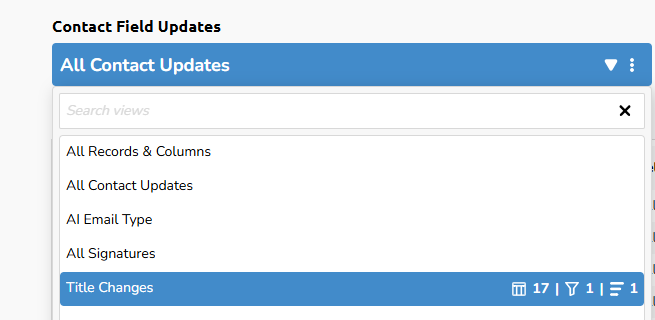
AI continuously monitors and enriches contact records by connecting to third-party data sources. When someone changes roles, earns a promotion, or moves to a new organization, the record is updated automatically, helping ensure your outreach is reaching the right people with the right information.
🎯 A Purpose-Built Interface for Any List You Need
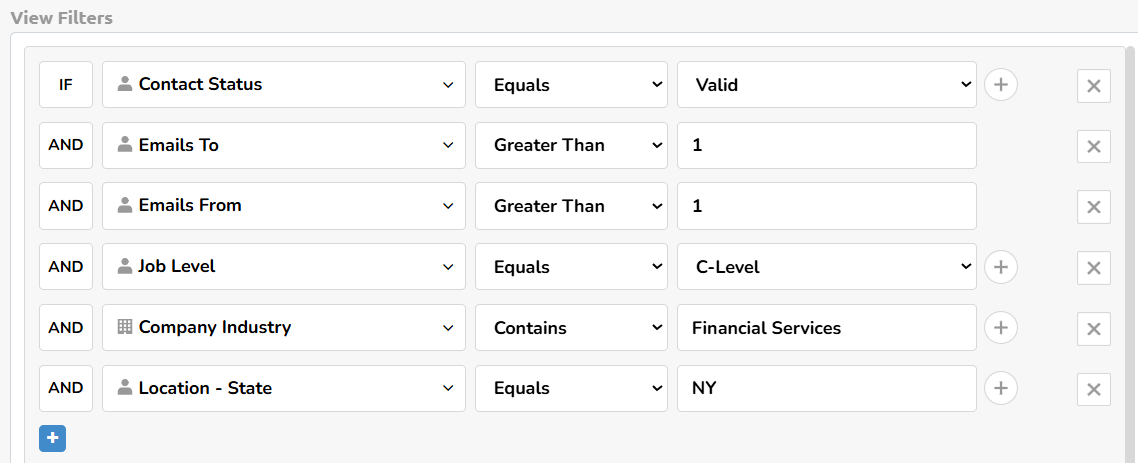
With clean, classified, and current data as your foundation, a purpose-built interface makes it straightforward to segment by whatever criteria matter most to your team:
- Event invitations segmented by geography, industry, job level, and department, so the right people receive invitations to the right events
- Client alert lists filtered by industry, helping ensure clients receive content that's relevant to their business
- Strategic relationship lists organized by attorney, so important client relationships stay active and well-maintained
The goal is a simpler, more reliable list-building experience. One where your data works for you, and getting to the right list is a matter of minutes rather than hours.
Get a Demo
Want to Learn More?
Schedule a Live Demo
SigParser can securely scan one to thousands of employee mailboxes to generate relationship data. Get a demo to learn more.
Share Article
Related Articles