Unlocking Your Firm's Hidden Relationship Network: Why ERM Is Your Competitive Advantage
Every professional services firm has a secret weapon sitting right under its nose—a vast network of client relationships, industry connections, and strategic contacts cultivated over years of practice. The problem? Most firms have no systematic way to leverage this goldmine of opportunity.
The reality is stark: your firm's collective relationships represent millions of dollars in potential cross-selling and new business development, yet most of this value remains locked away in individual email inboxes, scattered business cards, and outdated spreadsheets. Without a centralized, searchable system for relationship intelligence, you're essentially flying blind when opportunities arise.
The Challenge: Scattered & Incomplete Data
Most firms struggle with three fundamental problems: relationship data lives in disconnected silos, existing systems weren't designed to answer "who knows who," and search capabilities are too limited to support strategic targeting.
No Central Repository for Firm Relationships
When a partner needs to know who has the strongest connection to a target client or prospect, where do they turn? In most firms, it's a series of hallway conversations, email chains asking "Does anyone know someone at X company?" and manual digging through contact lists. This ad-hoc approach is slow, incomplete, and often misses the strongest relationships entirely.
CRM Systems Weren't Built for This
Traditional CRM systems track accounts and opportunities, but they rarely provide accurate "who knows who" intelligence. Even when firms attempt to maintain relationship data in their CRM, it quickly becomes outdated because attorneys don't consistently log interactions or update contact information. The result is a CRM that looks comprehensive on paper but fails to deliver actionable relationship intelligence when you need it most.
Search Limitations Compound the Problem
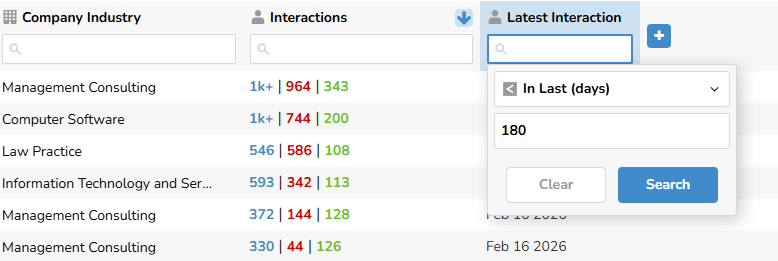
Many relationship management systems can only search by employee name or by contact/company. But what if you need to identify all C-level executives in the pharmaceutical industry located in the Northeast who your firm has met with in the last 12 months? These multi-criteria searches are impossible in most systems, severely limiting your ability to target opportunities strategically.
The ERM Opportunity: From Scattered Data to Strategic Asset
Enterprise Relationship Management (ERM) systems transform your firm's relationship data from scattered fragments into a searchable, actionable intelligence platform. Here's how modern ERM unlocks your firm's relationship potential:
Comprehensive, Searchable Relationship Intelligence
A modern ERM automatically captures every interaction—emails and meetings —across your entire firm and makes this data instantly searchable by multiple criteria:
- Contact and company (the basics)
- Job level (C-level, Executive, Director, Manager, Contributor)
- Geographic location (city, state, region)
- Industry sector (financial services, healthcare, technology, etc.)
- Relationship strength (frequency of interaction, recency of contact)
- Billing history (when integrated with your financial system)

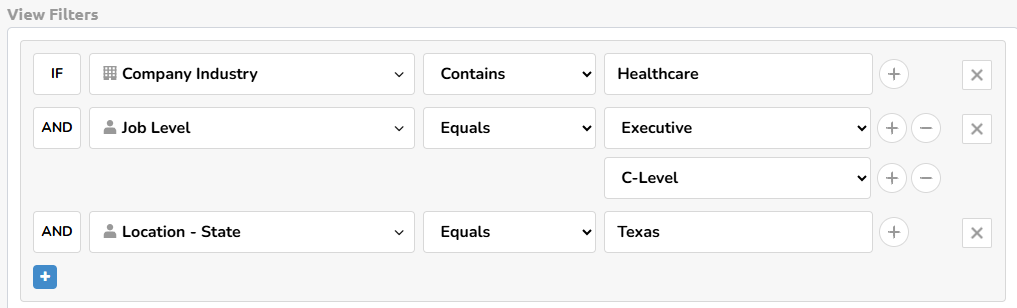
This multi-dimensional search capability means you can instantly answer questions like "Who in our firm knows senior executives at healthcare companies in Texas?" or "Which of our contacts at Fortune 500 companies haven't we engaged with in six months?"
Real-World Applications That Drive Revenue
Let's look at three specific scenarios where ERM transforms relationship intelligence into business results:
Example 1: Gaining Access to New Matters
A law firm learns that a major pharmaceutical company is facing a significant regulatory challenge—exactly the type of matter their regulatory practice is built to handle. The problem? They don't have an existing relationship with the legal department.
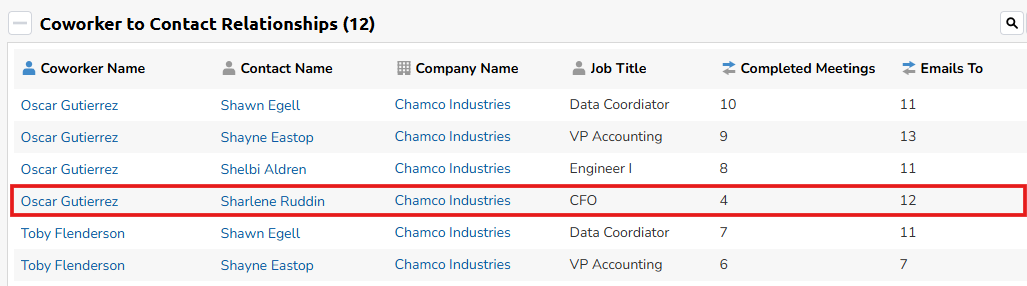
With ERM, the firm can instantly search for all contacts at the target company, identify who knows them best across the firm, and discover that a corporate partner has a strong relationship with the company's CFO. The relationship strength data shows they've met twice in the past year and exchange emails regularly. Within hours, a warm introduction is made from the CFO's office to the General Counsel, positioning the firm for the opportunity.
Without ERM, this connection might never surface—the opportunity would be pursued through cold outreach or not pursued at all.

Example 2: Promoting Recent Case Wins and Industry Expertise
An employment attorney just secured a landmark victory in a wage-and-hour class action case that has implications for companies across the retail industry. This win should be promoted to every retail executive the firm knows to demonstrate expertise and generate new matters.
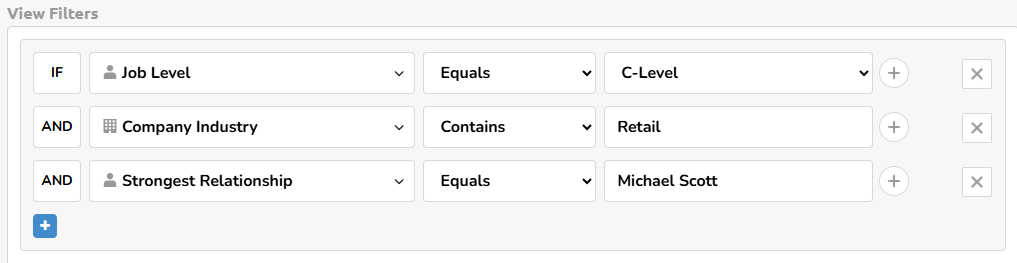
With ERM, the attorney can generate a list of all C-level and VP-level contacts in the retail sector, identify which firm attorneys have the strongest relationships with each contact, and coordinate targeted outreach highlighting the case win. The marketing team can segment communications based on company size, geographic region, and relationship strength to maximize relevance and impact.
Without ERM, the firm might send a generic announcement to a broad list or, more likely, fail to capitalize on the win at all because building the right target list is too time-consuming.
Example 3: Strategic Relationship Management and Practice Planning
The managing partner of a litigation practice wants to strengthen relationships with the firm's top 100 clients before the annual planning cycle. She needs visibility into which strategic relationships are thriving and which are at risk due to lack of recent engagement.
With ERM data flowing into Power BI, she can generate a dashboard showing:
- All contacts at top 100 clients by job level
- Relationship strength scores based on interaction frequency
- Days since last meaningful interaction
- Billing trends over the past 12-24 months
- Which attorneys own the strongest relationships
This intelligence allows her to identify "fading relationships"—senior executives at high-value clients who haven't been engaged recently—and proactively reach out before relationships go cold. When combined with matter and billing data, she can prioritize outreach to contacts at companies showing declining engagement or billing patterns.
Without ERM, this analysis would require weeks of manual data gathering from multiple systems, by which time several key relationships might already be lost to competitors.
Conclusion: Relationships Are Your Competitive Advantage—When You Can Access Them
Leveraging relationship data is the easiest way to quickly grow firm revenues. When done right, it gets the right attorneys in front of the right clients at the right time—turning opportunities into engagements before competitors even know they exist.
Your firm already has valuable relationships. The question is whether you can access them when opportunities arise, or whether they'll remain hidden in individual inboxes and contact lists.
ERM was built to help firms of all sizes use this powerful data set. By making your relationship network searchable, actionable, and strategic, ERM transforms your firm relationships into a practical growth engine that delivers results.
Get a Demo
Want to Learn More?
Schedule a Live Demo
SigParser can securely scan one to thousands of employee mailboxes to generate relationship data. Get a demo to learn more.
Share Article
Related Articles